
The Importance of Hydration for Exercise
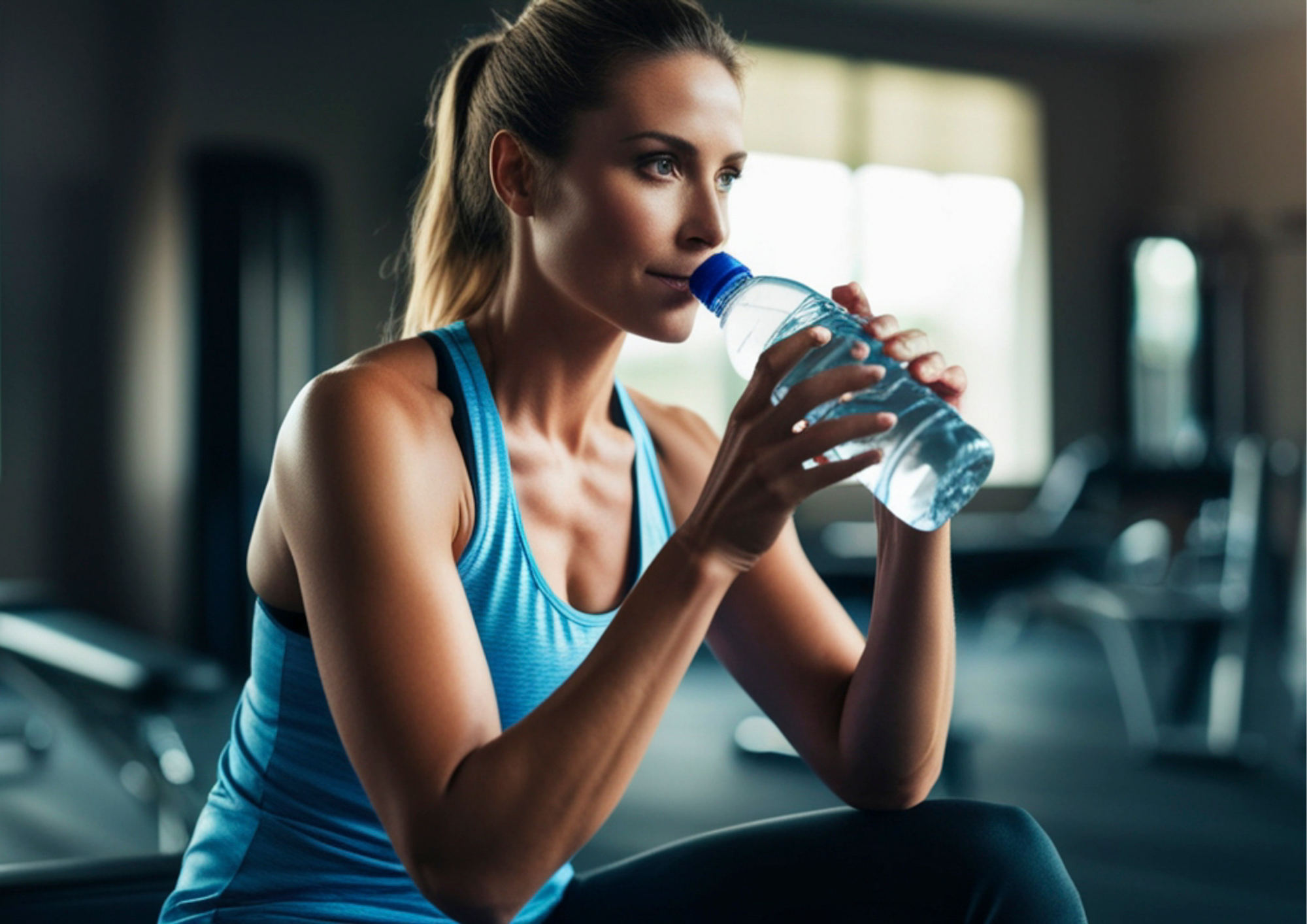
Hydration for Exercise, why is it important?
Hydration fuels performance—keeping your body energised, muscles functioning, and recovery on track during every workout. Here is some guidelines on hydration before, during and after exercise.
Hydration For Exercise: Why It Matters More Than You Think
Hydration for exercise is one of the most overlooked yet essential factors in improving performance, supporting recovery, and maintaining overall health. Whether you are heading out for a casual walk, hitting the gym, or training for a marathon, staying hydrated plays a critical role in how your body functions before, during, and after physical activity.
In this guide, we will break down everything you need to know about hydration for sports and exercise, including why it matters, how much you need, and practical strategies to stay hydrated throughout your day.
How Is Hydration Important for Exercise?
In simple terms, your body relies on water to function properly. During exercise, this becomes even more important. Water helps regulate body temperature, transport nutrients, lubricate joints, and support muscle function.
When you exercise, your body generates heat. To prevent overheating, you sweat. This is your body’s natural cooling system - but it also means you are losing fluids and electrolytes. If those fluids are not replaced, dehydration can set in.
Even mild dehydration can lead to:
Reduced endurance
Increased fatigue
Decreased strength and coordination
Poor concentration
Higher risk of injury
So, if you have ever felt sluggish halfway through a workout, dehydration could be the culprit.
Hydration Guidelines for Exercise Before, During, and After Activity
Daily intake: Around 2–3 litres of fluids per day for most adults (more if active or in hot climates)
Before Exercise: 400–600 ml of water 2–3 hours before activity
Start your workout well-hydrated. If you begin already dehydrated, your performance will suffer.
Tips:
Drink water consistently throughout the day
Avoid excessive caffeine or alcohol beforehand
Check your urine colour - it should be pale yellow
During Exercise: 150–250 ml every 15–20 minutes
Your goal is to replace fluids as you lose them.
Tips:
Sip regularly rather than chugging large amounts
Use electrolyte drinks for sessions longer than 60 minutes
Adjust intake based on sweat rate and temperature
After Exercise: Replace fluids lost through sweat (roughly 1.25–1.5 litres per kg of body weight lost)
Recovery begins with rehydration.
Tips:
Drink enough to replace lost fluids
Include electrolytes if you have sweated heavily
Pair hydration with a balanced meal for recovery
Is this the same for all exercises - Casual vs Intense Activity?
It is important to note that not all exercise demands the same level of hydration. Your needs will vary depending on intensity, duration, and environment.
Casual Exercisers
If you are doing light to moderate activity (like walking, yoga, or a short strength-based gym session), your hydration needs are relatively simple. Drink water regularly throughout the day and have a glass of water before and after exercise.
Athletes and High-Intensity Training
For those engaging in intense or prolonged exercise (such as running, cycling, or team sports), hydration becomes more strategic and performance can drop significantly without adequate fluid intake. When sessions extend beyond 60–90 minutes, greater fluid and electrolyte losses occur through sweat, so water alone may not be enough.
Stay Hydrated: Practical Tips for Everyday Life
Staying hydrated is not just about what happens during workouts – it is a full-day habit!
Here are simple ways to build hydration into your daily routine:
Carry a reusable water bottle
Set reminders to drink water
Eat water-rich foods (like fruits and vegetables)
Drink a glass of water with each meal
Monitor urine colour as a quick hydration check
Consistency is key. If you wait until you feel thirsty, you are already slightly dehydrated.
Stay hydrated, feel better, stay strong, and keep moving!