
5 Early Signs You’re At Risk of Falling — and What You Can Do About It
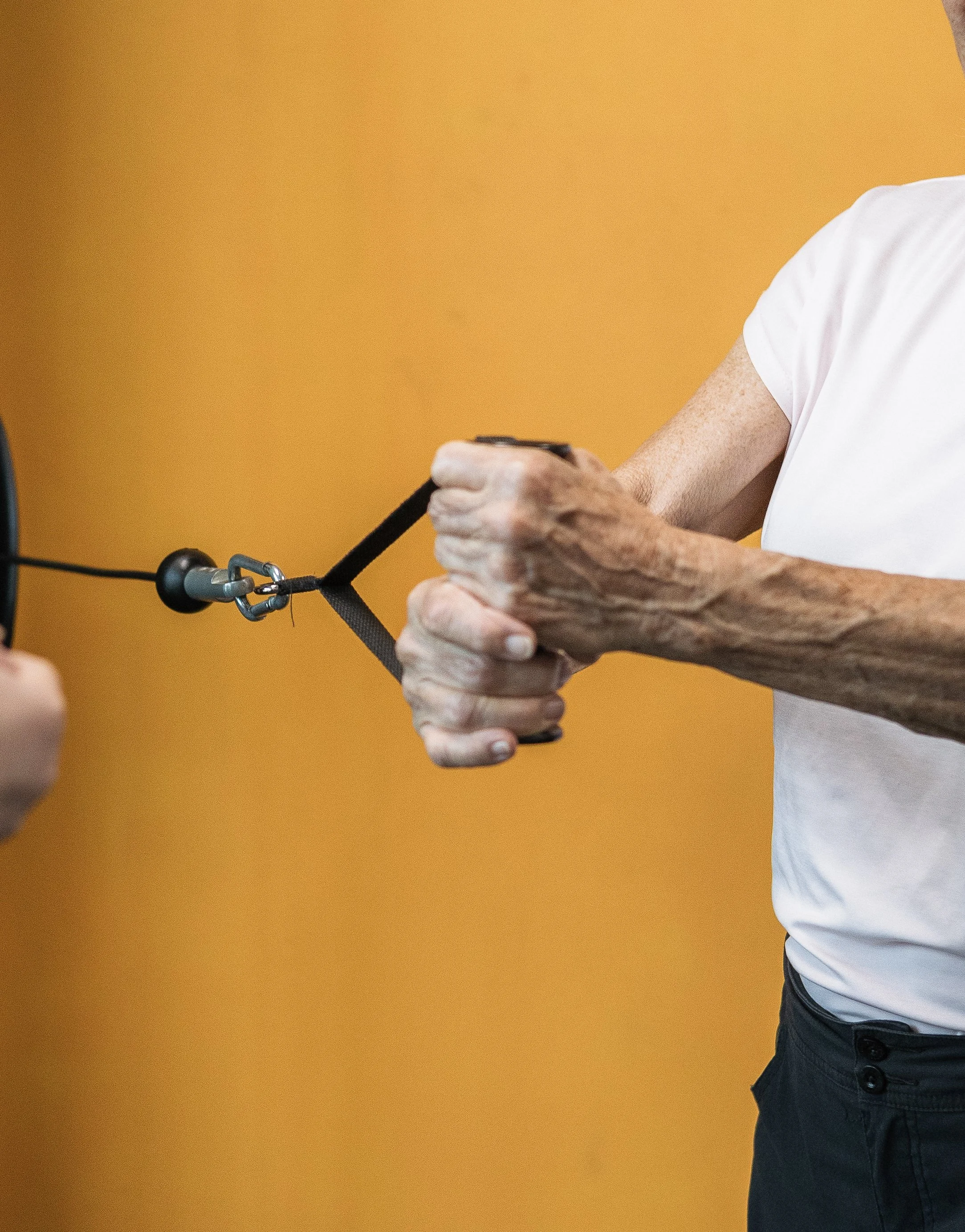
What are the 5 Early Signs that you’re at risk at Falling?
Falls are a leading cause of injury in Australia—especially for older adults. Learn the 5 early warning signs you may be at risk and what you can do now to stay safe and independent.
Falls are more than just a stumble — they’re a major health issue in Australia. According to the Australian Institute of Health and Welfare, there were 248,211 hospitalisations due to falls in 2023–24, making up 43% of all injury hospital admissions nationwide. Older Australians, particularly those aged 65+, are disproportionately impacted, with hospitalisation rates almost 12 times higher than younger adults.
With such compelling figures, recognising early warning signs can empower you to act before a fall happens.
1. Feeling Unsteady on Your Feet
One of the most common early indicators of fall risk is a growing sense of imbalance or unsteadiness when walking. It may feel subtle at first — perhaps you notice a wobble when changing direction or standing up from a chair. These signals can reflect declining strength and coordination.
2. Frequent Tripping or Almost-Falls
Have you found yourself tripping over rugs, uneven surfaces, or even flat ground more often? Even if you don’t actually fall, these “near misses” suggest that your body’s ability to respond quickly to small slips or obstacles is diminishing — a key early sign of balance decline.
3. Slower Reaction Time or Movement
As we age or become less physically active, reaction time can slow down. Something as simple as taking an extra beat to catch your balance can make the difference between staying upright and falling. This slower physical response often shows up first in everyday activities.
4. Muscle Weakness or Difficulty Rising
Weakness in the legs, hips or core muscles is a major contributor to falls. You might notice this as difficulty rising from a low chair, climbing stairs, or getting in and out of a car. Strength issues make it harder to maintain stability — a precursor to loss of balance.
5. Fear of Falling Affecting Confidence
Interestingly, worry itself can increase your risk. Research has found that concern or anxiety about falling may actually make future falls more likely — even after accounting for physical risk factors. Feeling hesitant, nervous, or reluctant to move around can lead to reduced activity, further weakening muscles and balance.
What You Can Do Next
The good news? Many falls are preventable. Evidence shows that a structured approach focused on strength, balance, confidence and environment awareness can help reduce risk and keep you active.
That’s why we’re excited to introduce the Resilient Health Group Balance & Falls Prevention Class — a supportive, expert-led session designed to help you build stability, improve confidence and reduce your falls risk.
📅 When: Every Wednesday & Thursday,
🕐 Time: WED: 9:15 am-10.15 am. THU: 11:45 am–12:45 pm
📍 At Resilient Health Group
Currently we are offering the following class packs:
Single Class Pass: $25
5 Class Pack: $112
10 Class Pack: $200
Stay Ahead of the Risks
If you’re noticing any of the signs above — or simply want to boost your resilience and confidence — this class can be a great step forward.
Strong balance doesn’t just reduce risk — it empowers you to live a more confident, active life.
To book into this group, please express your interest by contacting us on 8123 8666 and we will organise an initial appointment with our Physiotherapists, Loren or Alec! Initial appointments will be charged at the standard physiotherapist rate.
If you’re interested in more information about our Balance & Falls Prevention class in Adelaide, click here.