
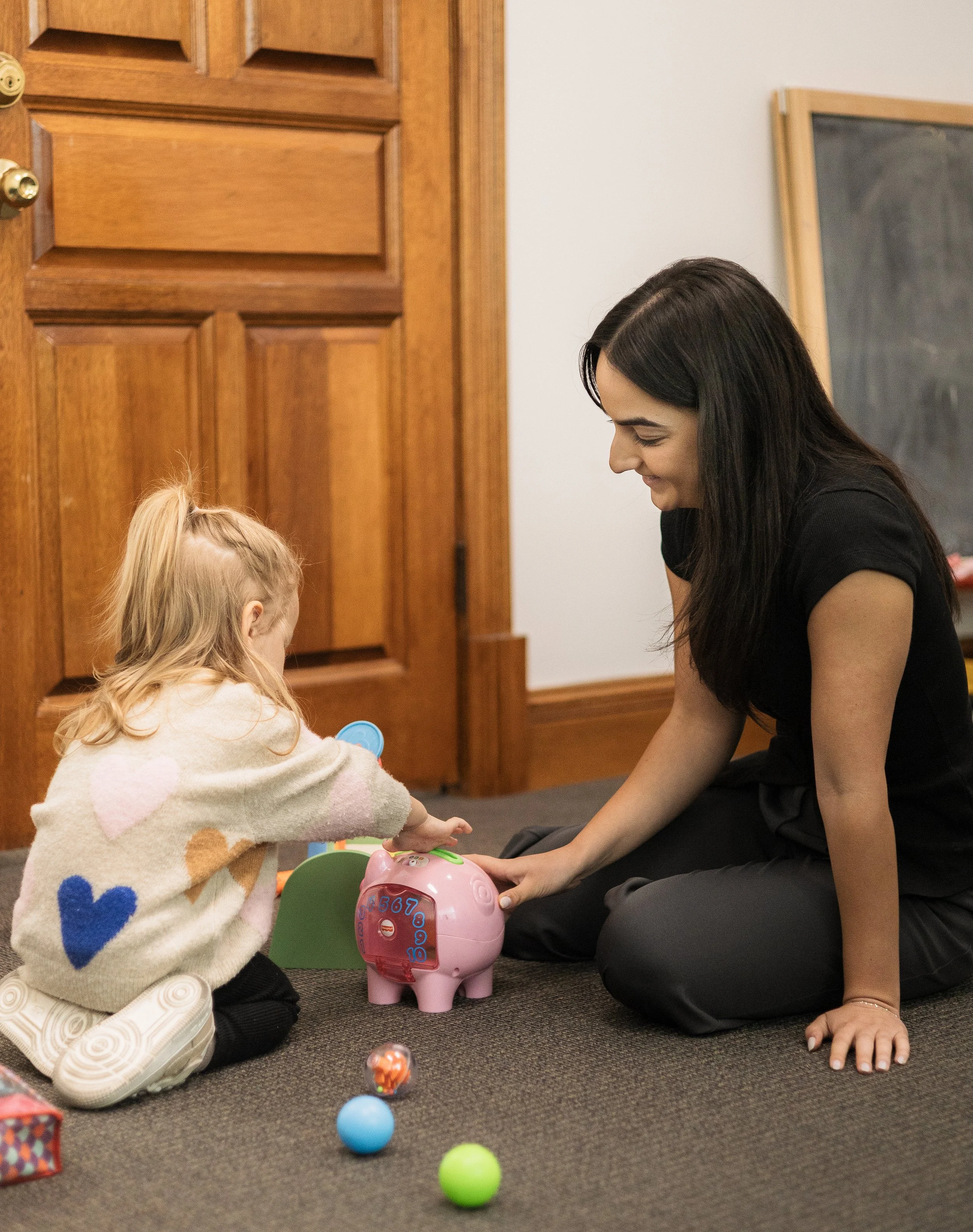
If you've ever wondered what is an OT, you're not alone. Occupational Therapists (OTs) are allied health professionals who help people of all ages develop the skills and strategies they need to participate in everyday life.
Whether someone is recovering from an injury, living with a disability, or managing a chronic health condition, an OT can provide practical, goal-focused support to make everyday activities safer, easier, and more manageable.
In this guide, we'll explore what an occupational therapist does, how to become an occupational therapist, and how Occupational Therapy supports participants through the National Disability Insurance Scheme (NDIS), including functional capacity assessment services.
What Is an OT?
An Occupational Therapist, commonly known as an OT, is a university-qualified allied health professional who helps people develop, regain, or maintain the skills required for everyday activities.
In Occupational Therapy, the word "occupation" refers to the meaningful activities that make up a person's daily life—not simply paid employment. These may include:
Personal care, such as showering and dressing
Preparing meals
Household tasks
Studying or working
Socialising and participating in the community
Hobbies and recreational activities
An OT considers the physical, cognitive, sensory, and psychosocial factors that may make these activities difficult. They then work with the individual to identify practical strategies and supports that fit their needs and goals.
What Does an Occupational Therapist Do?
So, what does an occupational therapist do?
The answer varies depending on the person's circumstances. OTs assess an individual's abilities, challenges, goals, and environment before developing an appropriate plan of support.
Their work may include:
Assessing how a person manages everyday activities
Developing strategies to build practical skills and independence
Recommending assistive technology and equipment
Conducting home, school, and workplace assessments
Recommending or prescribing home modifications
Supporting participation in meaningful activities
Addressing fine motor skills, coordination, strength, and sensory processing
Working alongside families, carers, support workers, and other healthcare professionals
Occupational Therapists work with children, adults, and older Australians in a range of environments, including homes, schools, workplaces, hospitals, and community settings.
Functional Capacity Assessment
A functional capacity assessment provides a detailed picture of how a person's disability or health condition affects their ability to manage everyday life.
An Occupational Therapist considers the person's abilities, challenges, goals, and support needs. Depending on the individual, the assessment may cover:
Mobility and physical functioning
Personal care
Domestic tasks
Communication
Cognitive functioning
Community participation
Social skills
Safety at home and in the community
The findings are compiled into a detailed report, which may include recommendations for therapy, equipment, support services, home modifications, and other relevant supports.
Functional Capacity Assessment NDIS
For NDIS participants, a functional capacity assessment NDIS report can provide supporting evidence for plan reviews, funding applications, and requests for additional supports.
The assessment documents how a participant's disability affects their everyday functioning and identifies supports that may help them work towards their goals.
Depending on the participant's circumstances, recommendations may relate to:
Occupational Therapy
Assistive technology
Home modifications
Support workers
Capacity-building supports
Assistance with daily living
A well-documented Functional Capacity Assessment can help provide a clearer picture of a participant's functional needs and the supports being requested.
NDIS Occupational Therapy
NDIS occupational therapy is designed to help participants work towards their individual goals and participate more fully in everyday activities.
Occupational Therapists support people with a wide range of disabilities and conditions, including:
Autism Spectrum Disorder (ASD)
Intellectual disability
Cerebral palsy
Acquired brain injury
Stroke
Mental health conditions
Neurological disorders
Physical disabilities
Depending on a participant's needs, services may include:
Functional assessments
Sensory assessments
Daily living skill development
Assistive technology recommendations
Home modification assessments
Capacity-building interventions
Functional Capacity Assessments
Ongoing therapy aligned with NDIS goals
Because every participant has different circumstances and priorities, Occupational Therapy is tailored to the individual's goals, abilities, environment, and support needs.
How to Become an Occupational Therapist
If you're wondering how to become an occupational therapist, the pathway typically involves completing an accredited university qualification in Occupational Therapy.
In Australia, aspiring Occupational Therapists generally:
Complete a Bachelor of Occupational Therapy or an approved postgraduate qualification.
Undertake supervised clinical placements in a range of healthcare and community settings.
Register with the relevant professional regulatory body before practising.
Continue professional development throughout their career to maintain and expand their knowledge and skills.
Occupational Therapy combines healthcare, clinical reasoning, problem-solving, and person-centred practice to help people participate in the activities that are important to them.
Why Occupational Therapy Matters
Occupational Therapy is about more than rehabilitation. It focuses on helping people participate in the routines, responsibilities, relationships, and activities that give their lives meaning.
For a child, this might involve developing skills for school and everyday routines. For an adult recovering from an injury, it could mean returning to work or managing tasks at home. For an older person, support may focus on remaining safe and active at home.
Through practical strategies, environmental changes, equipment, and skill development, OTs help people work towards meaningful outcomes in everyday life.
Looking for an Occupational Therapist in Adelaide?
If you're searching for an Occupational Therapist Adelaide team providing personalised, evidence-based care, Resilient Health Group is here to help.
Our experienced clinicians provide comprehensive Occupational Therapy Adelaide services, including Functional Capacity Assessments, assistive technology assessments, home modifications, and NDIS Occupational Therapy tailored to each participant's goals and circumstances.
Learn more about our Occupational Therapy services:
https://www.resilienthealthgroup.au/occupational-therapy
Ready to get started? Contact our friendly team to discuss your needs or make an enquiry: